
How Paver Hardscaping Improves Drainage Around Your Home
Hiring local contractors for paver hardscaping can effectively improve drainage around your home by creating well-designed surfaces that direct water away from foundations.
If concerns about water pooling or drainage issues around your property have you searching for solutions, you’re in the right place. Proper drainage is essential for protecting your home’s foundation, preventing erosion, and maintaining a safe, attractive outdoor space. Property owners in the area often explore how paver hardscaping can serve as an effective way to improve water management, offering both functional benefits and aesthetic appeal. By incorporating well-designed paver features, local service providers can help create a landscape that directs water away from vulnerable areas, reducing the risk of water damage over time. Keep reading to discover how these hardscaping solutions might be a practical addition to your property.
Understanding how paver hardscaping improves drainage around your home can reveal a smart approach to addressing common water issues. Pavers can be installed with proper slopes and drainage pathways that facilitate the natural flow of water, preventing it from accumulating where it shouldn’t. Many property owners find that integrating paver patios, walkways, or driveways not only enhances curb appeal but also offers a durable, permeable surface that supports better water runoff. Local contractors skilled in paver hardscaping can assess your property’s specific needs and design solutions that help manage excess water effectively, making your outdoor space safer and more functional.
- Concrete paver installations - homeowners experiencing poor drainage around their property can benefit from professional paver hardscaping that improves water flow and reduces pooling.
- Driveway and walkway paver services - local contractors often use strategic slope and drainage solutions in paver hardscaping to direct water away from foundations and prevent erosion.
- Patio and courtyard paver projects - when excess surface water causes damage or flooding, service providers can design paver layouts that facilitate better drainage around outdoor living spaces.
- Retaining wall and border paver work - these features can be integrated to enhance water runoff management and prevent soil erosion in landscaped areas.
- Drainage improvement paver installations - experts assess the terrain and implement paver hardscaping that helps control water movement, protecting the home’s foundation and landscape.
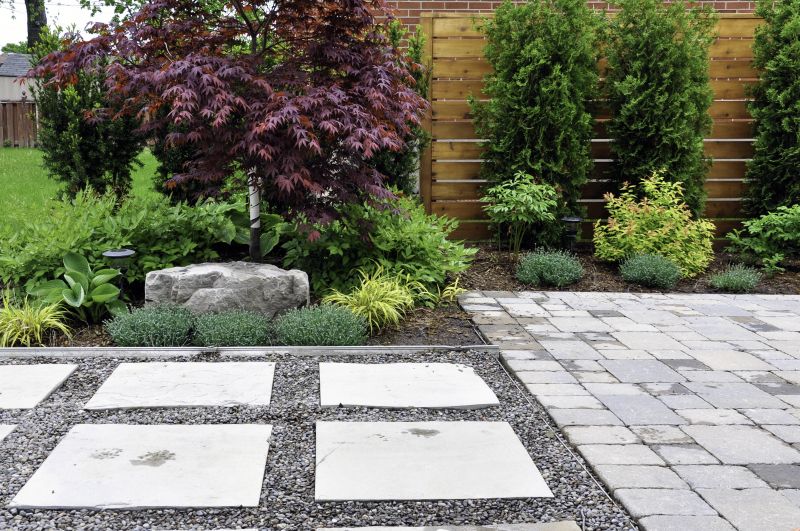
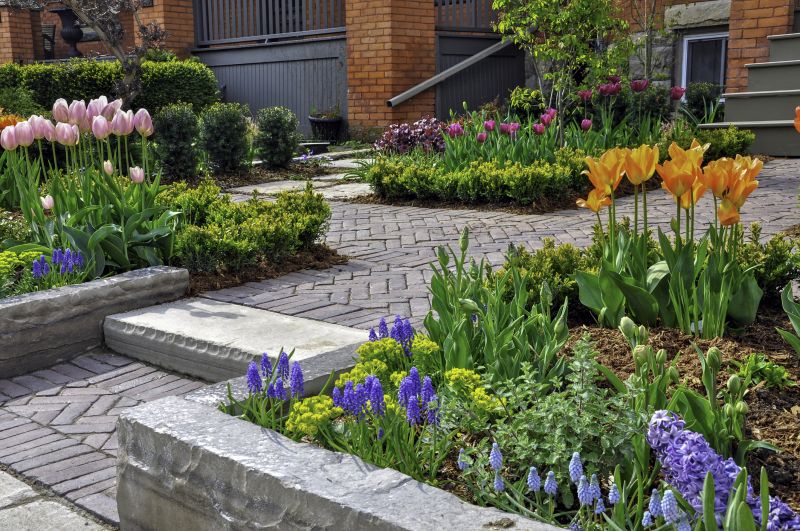
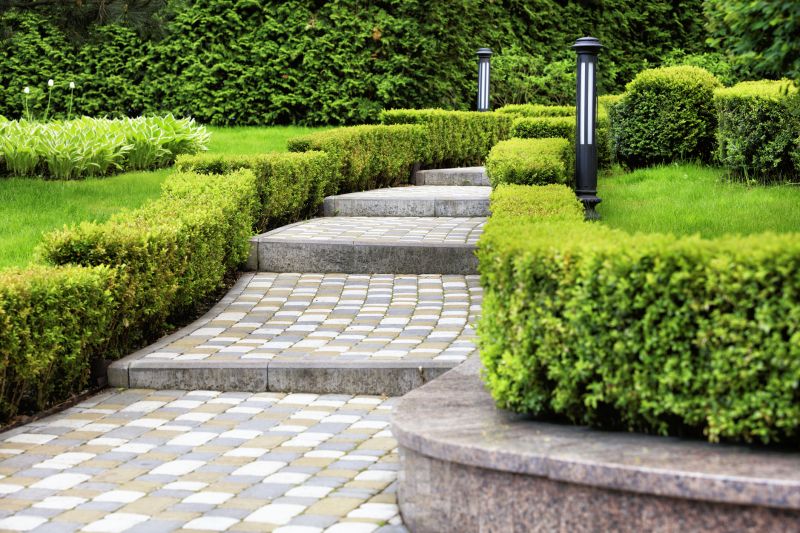
When homeowners search for how paver hardscaping improves drainage around their home, they are often looking for practical solutions to manage excess water and prevent issues caused by poor drainage. This topic frequently comes up in the context of fixing or preventing problems like pooling water in yards, soggy foundations, or erosion along walkways and driveways. Many property owners are also exploring plans to enhance their outdoor spaces while addressing water runoff concerns, making paver hardscaping a versatile option that combines both aesthetic appeal and functional drainage benefits. Understanding the connection between hardscaping and drainage helps homeowners make informed decisions about landscape improvements that protect their property and improve usability.
This subject is closely related to common property problems such as water pooling, basement flooding, or uneven terrain that causes water to flow toward the home’s foundation. It also ties into planning projects aimed at creating more usable outdoor areas, like patios or walkways, without sacrificing proper water management. Properties that typically come up in these discussions include residential yards with sloped or uneven terrain, homes situated on clay or poorly draining soils, and properties prone to heavy rainfall or drainage issues. For homeowners with existing drainage problems, adding paver hardscaping can be an effective way to redirect water flow and improve overall landscape stability.
The types of properties that frequently benefit from paver hardscaping for drainage improvements tend to be single-family homes, townhouses, or small commercial sites with outdoor spaces that require better water control. These properties often feature driveways, pathways, patios, or outdoor entertainment areas where water runoff can cause inconvenience or damage. Homeowners with large yards or sloped lots may also look into hardscaping solutions to help manage stormwater and prevent erosion. Local contractors experienced in paver hardscaping understand how to design and install features that optimize drainage, whether through permeable paver systems, strategic grading, or integrated drainage channels, making these solutions a practical choice for many property types.
Incorporating paver hardscaping into a property’s landscape offers a functional way to improve drainage while enhancing curb appeal. Homeowners can work with local service providers to develop customized solutions that address specific water management challenges. These professionals can assess the property’s terrain, soil conditions, and rainfall patterns to recommend the best hardscaping features-such as permeable pavers, retaining walls, or drainage trenches-that help redirect or absorb excess water. By integrating these elements into outdoor projects, homeowners not only improve drainage but also create attractive, durable surfaces that increase the property's overall usability and value.
Retaining wall construction - building retaining walls involves planning and precise installation skills similar to paver hardscaping, which can help manage water flow and improve drainage around your home.
Drainage system installation - installing French drains, catch basins, and other drainage solutions requires knowledge of landscape planning and the use of specialized tools, aligning with the skills used in paver hardscaping projects.
Landscape grading services - grading involves shaping the land to direct water away from structures, a process that complements the drainage improvements achieved through paver hardscaping.
Patio and walkway construction - designing and installing patios and walkways requires careful planning and material placement, which can influence how water drains around your home’s exterior.
Soil stabilization projects - soil stabilization techniques help prevent erosion and promote proper drainage, often utilizing similar planning and excavation skills as paver hardscaping.
Water feature installation - creating features like dry creek beds or decorative channels involves understanding water flow and terrain, which can enhance drainage and complement paver hardscaping efforts.
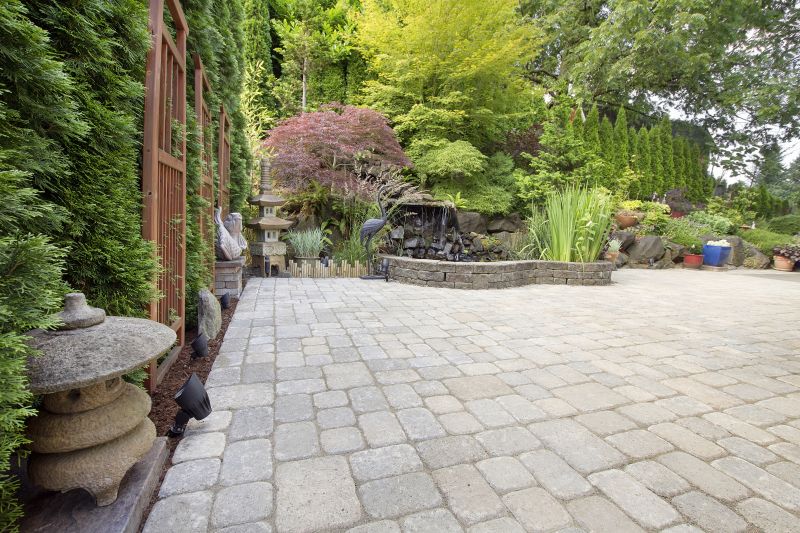
When evaluating local contractors for paver hardscaping projects aimed at improving drainage around a home, it is important to consider their experience with similar projects. Homeowners should look for service providers who have a track record of designing and installing paver systems that address drainage concerns effectively. A contractor’s familiarity with the specific challenges of managing water flow and preventing pooling or erosion can make a significant difference in the long-term performance of the hardscaping. Asking about past projects or reviewing portfolios can help gauge whether a contractor has the practical knowledge needed to handle the unique aspects of drainage-focused paver work.
Clear written expectations are essential when comparing potential service providers. Homeowners should seek detailed proposals that outline the scope of work, materials to be used, and the methods employed to ensure proper drainage. A comprehensive plan helps prevent misunderstandings and ensures that both parties are aligned on project goals. Service providers who communicate their approach clearly and provide thorough documentation demonstrate professionalism and a commitment to transparency, making it easier for homeowners to assess whether their expertise matches the project’s needs.
Reputable references and good communication are key factors in selecting the right local contractor for paver hardscaping. Homeowners can benefit from speaking with previous clients or reading reviews to learn about the contractor’s reliability and the quality of their work. Effective communication throughout the project-such as responsiveness to questions and clarity about processes-can help ensure that expectations are met and issues are addressed promptly. Choosing a service provider with a solid reputation and open lines of communication can lead to a smoother experience and a result that effectively enhances drainage around the home.
Property owners often search for how paver hardscaping improves drainage around your home when they are planning practical projects around their homes and businesses. Local pros provide Paver Hardscaping services for everyday jobs and straightforward project options.
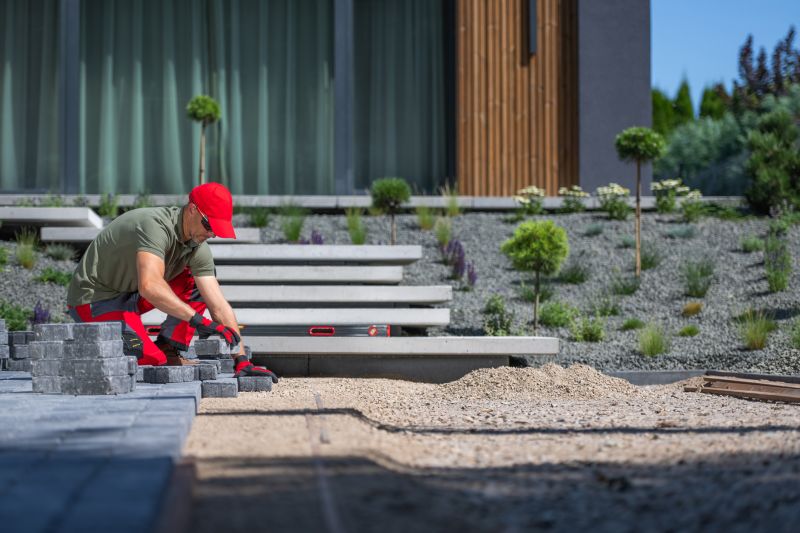
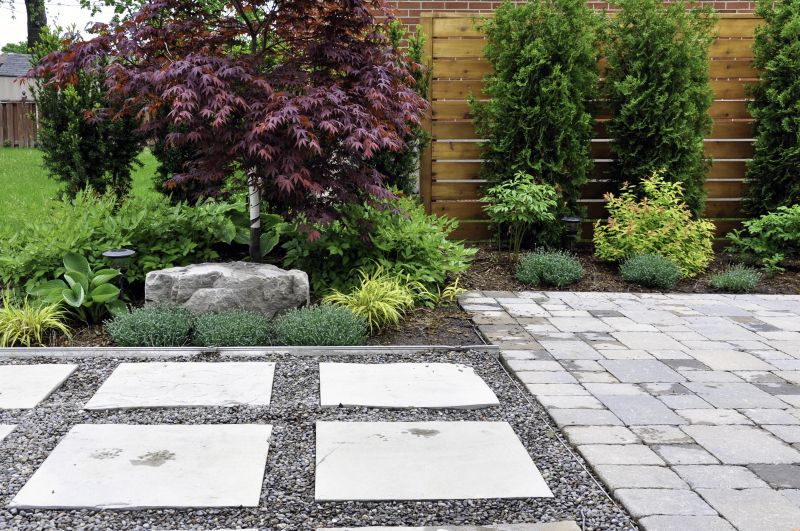
Paver hardscaping is a practical solution for property owners dealing with pooling water or uneven surfaces after heavy rain or runoff. When installed around driveways, walkways, or patios, pavers create a stable and permeable surface that helps direct excess water away from the foundation and other vulnerable areas. This approach not only enhances the appearance of outdoor spaces but also addresses common drainage concerns that can lead to water damage or erosion over time. Local contractors experienced in paver hardscaping can assess the specific drainage challenges of a property and recommend designs that improve water flow and reduce standing water.
For homeowners looking to prevent water from pooling near their homes, paver hardscaping offers an effective, low-maintenance option. Properly installed pavers can incorporate slight slopes and drainage channels that facilitate quicker runoff, minimizing the risk of water infiltration into basements or crawl spaces. Local service providers specializing in paver hardscaping have the expertise to craft customized solutions that enhance drainage performance around any property. These professionals can help ensure that the hardscape not only looks attractive but also functions efficiently to manage stormwater and protect the home’s structural integrity.
How does paver hardscaping help improve drainage around my home? Paver hardscaping creates permeable surfaces that allow water to flow through gaps between pavers, reducing runoff and preventing pooling around your foundation.
Can paver hardscaping prevent water from accumulating near my home? Yes, properly installed paver systems can direct water away from your home's foundation, minimizing the risk of water damage and basement flooding.
What features do local contractors include to enhance drainage with paver hardscaping? Many local service providers incorporate features like drainage channels, slope adjustments, and gravel bases to optimize water flow and reduce standing water.
Is paver hardscaping suitable for areas with heavy rain or poor drainage? Paver hardscaping can be effective in managing heavy rain when designed with proper drainage solutions, which local contractors can customize for your property.
How do local pros ensure paver hardscaping improves drainage around my home? They assess your landscape, design a system that promotes water movement, and install pavers with appropriate slopes and base layers to facilitate effective drainage.
Designing permeable paver surfaces allows water to flow through the hardscape, reducing runoff and promoting proper drainage around the home.
Incorporating strategic slopes in paver installations helps direct excess water away from foundations and low-lying areas.
Using gravel-filled joints between pavers can improve water absorption and prevent pooling during heavy rains.
Creating dedicated drainage pathways with paver hardscaping guides water efficiently, preventing erosion and water damage near the property.
If you are thinking about how paver hardscaping improves drainage around your home for a property, this guide is meant to help you understand this topic, the typical project types, and how different options might fit your plans.
When you are ready, you can use the quote form on this page to share a few details about your project. From there, local pros can review the basics and follow up with options that match what you have in mind.